What do the cameras of the future look like? The ones we use now are vastly different from cameras just a decade or two ago, so it’s reasonable to assume that changes will continue to advance. Jeff and Kirk speculate on what’s coming.

If you enjoy the podcast, be sure to subscribe and rate it in iTunes and elsewhere. Thank you!
What do the cameras of the future look like? The ones we use now are vastly different from cameras just a decade or two ago, so it’s reasonable to assume that changes will continue to advance. Jeff and Kirk speculate on what’s coming.
Apple's Worldwide Developer Conference (WWDC) wrapped up last week, and with it a lot of news about hardware like the M2-powered MacBook Air and what's coming in macOS Ventura, iOS 16, iPadOS 16, and watchOS 9. In this episode, Jeff and Kirk look at what struck their interest for photographers.
Scott Kelby joins us this week to talk about travel photography, using the years of experience he’s gained and now collected into his new book, The Travel Photography Book. We often want to start by figuring out what gear to bring, but Scott makes that point that there are far more important things to consider first.
In episode 110, Kirk and Jeff talked about dealing with distortion when you’re editing your photos. Now we’re happy to welcome portrait photographer and educator John Cornicello to discuss distortion when you’re photographing. You know those grids of headshots that demonstrate how wide-angle lenses cause distorted features? They’re wrong, and John explains why.
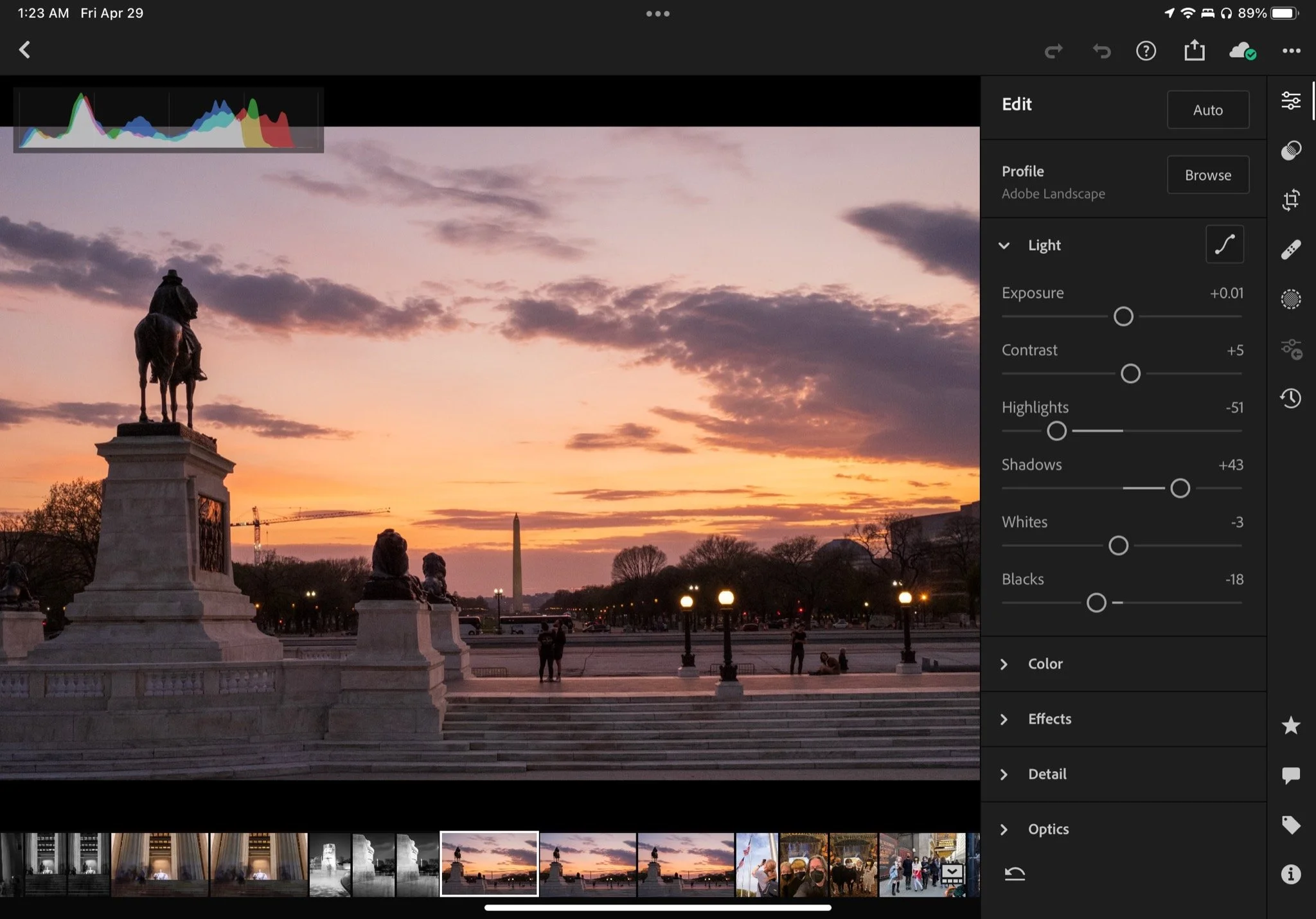
Is an iPad good for photo editing? It can be great for slimming your amount of gear on a trip, but what tradeoffs are involved? In this episode, Jeff and Kirk look at using an iPad or iPad Pro in a photography workflow, from importing images to culling and sorting to editing the photos.
Millions of people take billions of photos using the built-in Camera app on their iPhones, so we wanted to do an episode all about the clever and sometimes hidden capabilities of this camera that’s always with you.
An offhand remark from our guest Bryan Jones when he was a guest on a previous episode stuck with us: “You know color doesn’t actually exist, right?” We had to invite him back to explain! Jones, a retinal neuroscientist, explains that color is really a shared hallucination and talks about how photographers can take advantage of this knowledge.
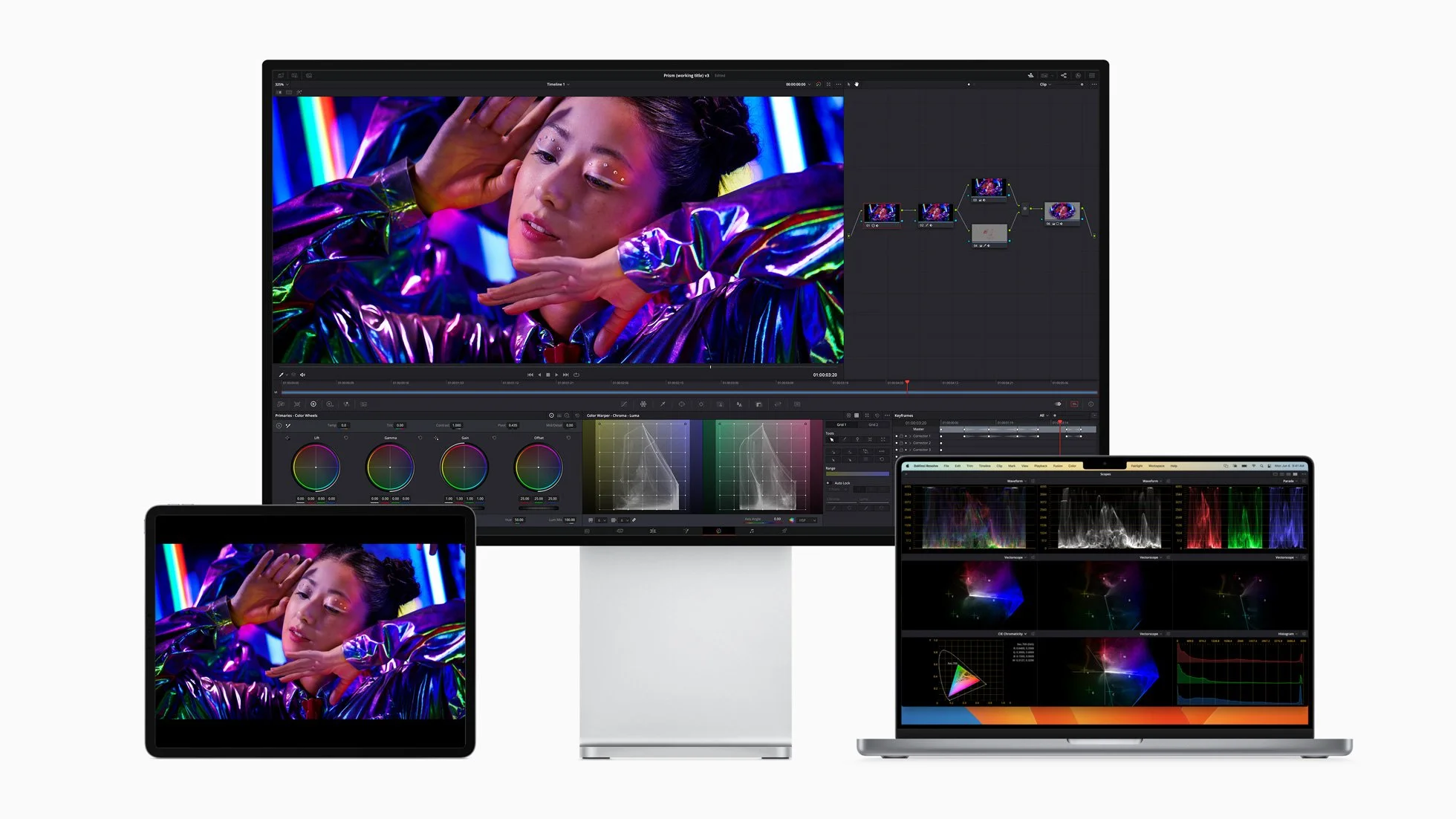
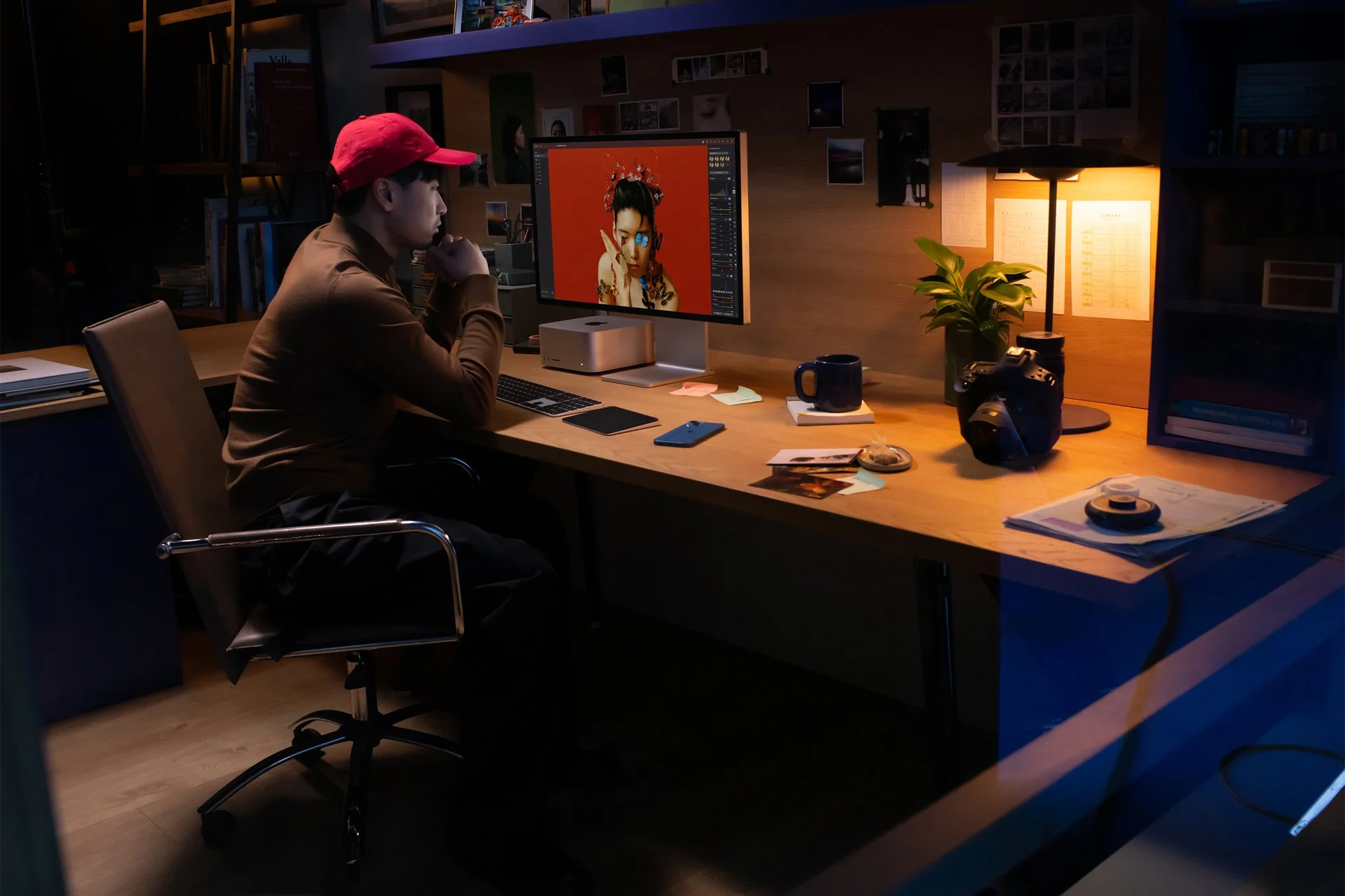
Apple announced the Mac Studio, a brand new M1-based desktop Mac that smokes the performance of even the Mac Pro. But is it a good machine for photographers? Jeff and Kirk discuss what’s interesting about the Mac Studio and the new Studio Display.
Dan Bracaglia joins us again to talk about that perennial problem: rekindling the joy of photography. Especially in winter, it’s easy to remain uninspired about photography, when in fact we know that there are image possibilities everywhere. We chat about some unusual steps to find fun in photography.
Tom Watson and Stefan Borsje created the Glass app as a way to get back to the experience of enjoying photography, without the endless pursuit of engagement metrics and traffic and all the things other apps (*cough* Instagram *cough*) do that detracts from it. We talk to them about the Glass approach, the new iPad app, and the upcoming web version.
What can you do when shooting with a wide lens introduces unwanted optical distortion in your photos? In this episode, Kirk and Jeff look at ways to correct for distortion, including correcting for horizontal and vertical planes, in apps such as Lightroom, Capture One, and Pixelmator Pro.
Joe McNally, who humbly refers to himself as a “working photographer,” has shot everything from high-concept editorial to the Olympic games, and established a reputation as one of the most generous photographers in the business. We talked with Joe about his dogged start on the streets of 1970s New York City and how he’s built his career, which he chronicles in his new book, The Real Deal: Field Notes from the Life of a Working Photographer.
The new masking features in Adobe Lightroom and Lightroom Classic make it much easier to apply selective edits to areas such as skies or subjects, without a lot of manual fiddling.
You shot a lovely portrait and realized later that the background could benefit from some artistic blur. It used to be that if you didn’t get it in camera, you were stuck. But now it’s possible to recreate that blur using AI features in software later. Or, if you captured the shot using the iPhone’s Portrait Mode, you can edit the effect whenever you want. Is the software option really worth doing?
When they set out to produce a gift guide—the first one in three years—Kirk and Jeff chose items that really reflect how they approach photography, and items that hopefully aren’t on every other photo gift guide out there. This episode covers a gamut of price ranges and interests, so something is sure to appeal to you as the giver or the receiver this holiday.
Artificial intelligence, machine learning, computational photography…whichever term you use, the technologies are here and touching almost every part of the photos you’re making. Our guest this week is Aaron Hockley, author of the book The Computer Ate My Photos: Artificial Intelligence and the Future of Photography, and he’s here to help us unravel this brave new world (and convince us that he’s not a robot).
The day has arrived: Kirk finally purchased his dream camera, the Leica Q2 Monochrom. Why would someone pay for a camera that shoots only in black and white? In this article, we talk about the advantages of a sensor without RGB, how shooting with the Q2 Monochrom is changing the way Kirk shoots, and processing the images in Capture One.
Does the thought of posing people for portraits make you nervous? Our guest this week is fashion and portrait photographer Lindsay Adler, whose book The Photographer’s Guide to Posing will calm your nerves and give you the tools to make beautiful photos of people. Lindsay talks about how she prepares for a portrait shoot, techniques to encourage great poses, working with everyday people compared to working with models, and much more.
It’s Apple’s best iPhone ever! Well, yes, they say that every year, but this time around the camera improvements are more exciting than in the past. In this episode, we look at what’s new, from the sizes of the lenses and sensors themselves to the Cinematic and Macro modes, in the iPhone 13 Pro.
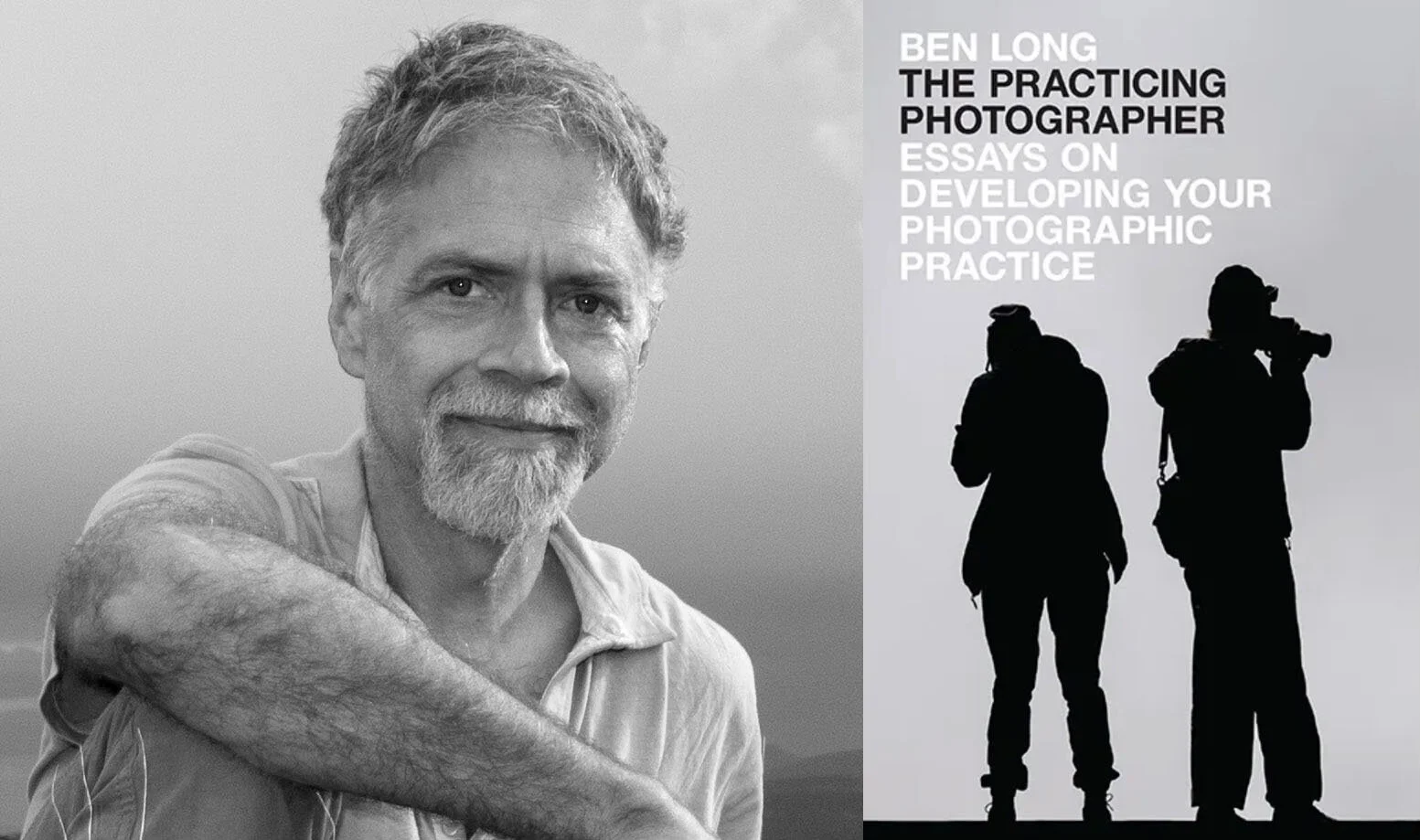
What does it mean to really practice your craft? In this episode we welcome photographer and educator Ben Long back to PhotoActive to talk about his wonderful new book _The Practicing Photographer: Essays on Developing Your Photographic Practice_. We talk about why practice involves more than grabbing your camera every once in a while, about getting out of creative ruts, and setting realistic goals for your photography.